
Fabet88.one Football Guide: How to Analyze Second-Phase Corner Attacks for Smarter Match Assessment
A striker earns a corner kick in the 28th minute. The defending team clears it, the attack resets, and by the 33rd minute another corner arrives. Two more follow before the break. That is not random chance — it is a pattern, and patterns are where informed decisions begin. When you watch football through the lens of set-piece traffic, the second phase of a match — roughly the period after the first major set-piece wave subsides and before the closing stages of normal or extra time — reveals the teams that truly control a game’s rhythm. On Fabet88.one, corner-based markets are among the most actionable corners of the in-game picture because they reflect sustained pressure, tactical discipline, and the ability to force opponents into errors. This guide walks you through how to read that picture clearly, step by step, so your next analysis is built on what the scoreboard actually tells you rather than what your gut assumes.
Why the Second Phase Matters More Than You Think
Teams that dominate early often sit deeper after the opening wave of set pieces. Teams that dominate late are often chasing the game. The second phase sits between those two mindsets, and it is where coaches make adjustments that either tighten a lead or stretch a defense past its breaking point. Corner frequency in this window exposes several things at once: whether the lead side is parking the bus, whether the trailing side is committing numbers forward, and whether the referee is allowing continuous free-play situations or halting play for set pieces that reset momentum. When you track these shifts, you stop guessing about who controls the match and start knowing.
On Fabet88.one, the live feed provides data points that ordinary viewers overlook — pass completion under pressure, shots from secondary positions, and the time between the last goal and the next corner sequence all hint at what the next few minutes will look like. These are not obscure statistics. They are the raw material of the second phase, and a focused observer can spot shifts before the crowd notices the tilt. The question is whether you are looking at the data in a way that turns minutes into insight.
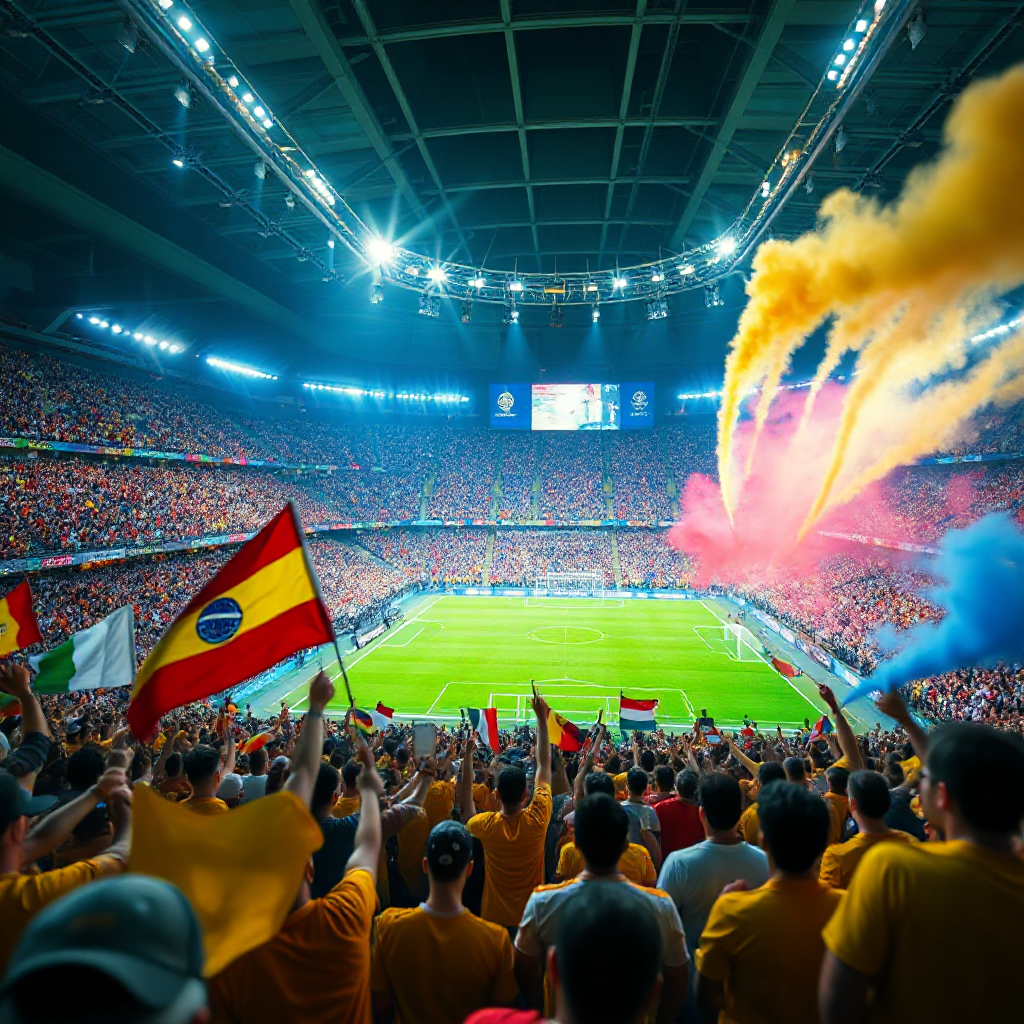
 Hình minh hoạ: FA BET
A Step-by-Step Walkthrough of Second-Phase Corner Analysis
Step 1: Identify the First Set-Piece Wave
Before the 60th minute, note how many corners each team has earned and conceded. A team with six corners in the first half but only two in the second half may have shifted from an attacking shape to a low block. Conversely, a side that starts with two corners and finishes with seven has been drawn into the opponent’s half by necessity. Neither is inherently better — but the shape of the graph matters.
Step 2: Track the Tempo Between Set Pieces
Time the gap from the last goal to the first corner and from the first corner to the next. Short gaps suggest sustained pressure; long gaps suggest the ball is traveling through midfield without creating danger. On platforms like Fabet88.one, live tracking allows you to watch these intervals change as substitutions shift personnel. A fresh winger in the 55th minute may produce a corner within three minutes. A tired fullback may stretch it to twelve. These are the details that separate reactive analysis from predictive analysis.
Step 3: Map Corners to Match Context
A 1-0 lead after 70 minutes produces a different set-piece profile than a 2-2 draw. The leading side typically defends deeper, which pushes the opposition toward wide areas and, consequently, toward corners. The trailing side pushes centrally, which produces shots, not set pieces. Ask yourself: Is this team creating corners because it is dominating, or because it is trapped? The answer changes what those corners mean for your assessment.
Step 4: Watch the Defensive Reactions
After a corner is cleared, watch where the ball lands and how quickly the next attack forms. A team that wins the ball back within five seconds is likely to produce another corner or a dangerous cross. A team that loses it and retreats deep suggests the opponent has numbers to spare. On a corner-focused analysis, this distinction turns a single event into a trend indicator.
Step 5: Use Substitution Patterns as Signals
A corner-heavy team that makes attacking substitutions in the second phase is extending its aggression. A corner-heavy team that brings on defenders is conceding the space. Both are valid strategies, but only one suggests a continued threat to the opposition’s shape. The second-phase substitutions on Fabet88.one’s live data are a reliable preview of the next ten minutes more than any shot count alone.Quick Reference Table: What Second-Phase Corners Tell You
| Observation | What It Suggests | What to Check Next |
|---|---|---|
| Corners spike in the 55th–70th minute | Trailing side is pushing numbers forward | Is the lead side sitting deep or pressing high? |
| Corners drop after the 60th minute | Leading side may have shifted to a low block | Are shots coming from open play or only set pieces? |
| Constant corners in the final 15 minutes | One side is dominating width | Has the opposition exhausted its attacking substitutes? |
| Long gaps between corners | Play is resetting through midfield | Is the ball traveling through the center or the wide areas? |
| Early second-phase corners | Immediate pressure after restart | Check if the restart came from the opposition’s box |
The Traps That Trip Up Beginners
Trap 1: Counting Corners Without Context
A side with fourteen corners in ninety minutes is not automatically dominating. If those corners are spread evenly and the match is a 0-0 draw, the corners may reflect desperation, not control. Beginners often mistake volume for quality. The second phase demands you separate the two.
Trap 2: Ignoring the Opponent’s Shape
Every corner has a reason. A corner in the 65th minute against a low block is a sign of an inability to break down the opponent centrally. A corner against a high press is a sign the opponent has been bypassed. These are not the same threat, and they do not produce the same follow-up play. Before betting or concluding, identify which shape the opponent is using — because that determines whether the next corner is dangerous or routine.
Trap 3: Overvaluing Set Pieces
A match can be decided by one set piece, but it is rarely won by set pieces alone. Teams that win with corners are often the teams that also win open play. If the corners are the only attacking metric, the underlying data is thin. Cross-reference with shot location, pass completion, and time in the opposition’s third before drawing conclusions.
Trap 4: Missing the Minutes
The 70th minute and the 89th minute are not the same. Late-game corners often come from deep clearances rather than sustained attacks. A corner in the 30th minute and a corner in the 85th minute can look identical on a live feed but carry very different strategic weight. Time matters, and beginners frequently forget to ask when the event happened rather than simply noting that it happened.

An Action Checklist You Can Use Now
Before your next match analysis, run through these five checkpoints:
- Note the total corners for each team in the second phase (45th to 90th minute, or 60th to 90th if you want a tighter window).
- Compare that number to the first phase for the same teams. Has the pace changed?
- Identify the scoreboard context at the start of the second phase. Is the game open or tight?
- Watch the first three corners of the second phase and note where the ball lands — wide, central, or deep in the box.
- Check if substitutions in that phase shifted personnel toward attack or defense. Then ask whether those changes explain the corner volume.
If you can answer all five, you are no longer guessing. You are reading the match the way coaches do when they watch for set-piece habits.
The approach matters less than the consistency. Whether you are using Fabet88.one’s live data or another platform, the same questions apply: Is this team creating these situations? Is the opponent allowing them? And what will happen in the next ten minutes based on what you have seen already?
One further consideration: risk in any analysis is tied to the quality of the source data. Platforms vary in their coverage, and no metric replaces watching the match with an understanding of shape, tempo, and substitution patterns. Use corners as one piece of the puzzle, not the entire picture. A single statistic that confirms what your eyes already see is useful. A single statistic that replaces watching is not.

What a Correct Read Looks Like in Practice
If a team has eight corners in the second phase, is trailing 1-0, and has made two attacking substitutions, the logical read is that the team is forcing chances from wide areas. The trailing scoreline plus the substitutions suggest a deliberate strategy to stretch the opponent. If you then see the next corner produce a shot on target, the pattern is confirmed. If the next corner is cleared quickly and play resets, the pattern was one-off pressure, not sustained dominance. That distinction is the difference between a good read and an average one, and it comes from doing the work before the match ends, not after.
Use the table, run the checklist, and ask what the scoreboard tells you about each corner. The answer will be clearer than any single number on its own.
Common Questions About Second-Phase Corner Analysis
Do corners always mean a team is dominating?
Not necessarily. Corners can reflect sustained pressure or a trailing team forcing the game wide. Check the scoreboard and the substitutions before deciding whether the volume represents control or desperation.
Should I only track the second phase?
The second phase is the most revealing, but comparing it to the first phase adds context. A drop or spike in corner frequency between halves often shows the impact of tactical changes or substitutions more clearly than either half alone.
Is the data on Fabet88.one live enough for second-phase tracking?
Live platforms typically update corner counts and match events in real time, which supports second-phase analysis. However, the quality of interpretation depends on the user. The data shows what happened; the reader must connect it to what the scoreboard and substitutions reveal about why it happened.
What is the biggest mistake beginners make with corner markets?
Treating the number as a signal without checking the context. A team with few corners can still win if those corners lead to goals. A team with many corners can still lose if they face a low block that absorbs pressure. The count is the starting point, not the endpoint. The pattern around the count — the scoreline, the time, and the personnel changes — completes the picture.
Read the match. Ask what is happening. Then use the numbers to confirm or challenge your view. That is the difference between a careful analysis and a guess dressed up as one.