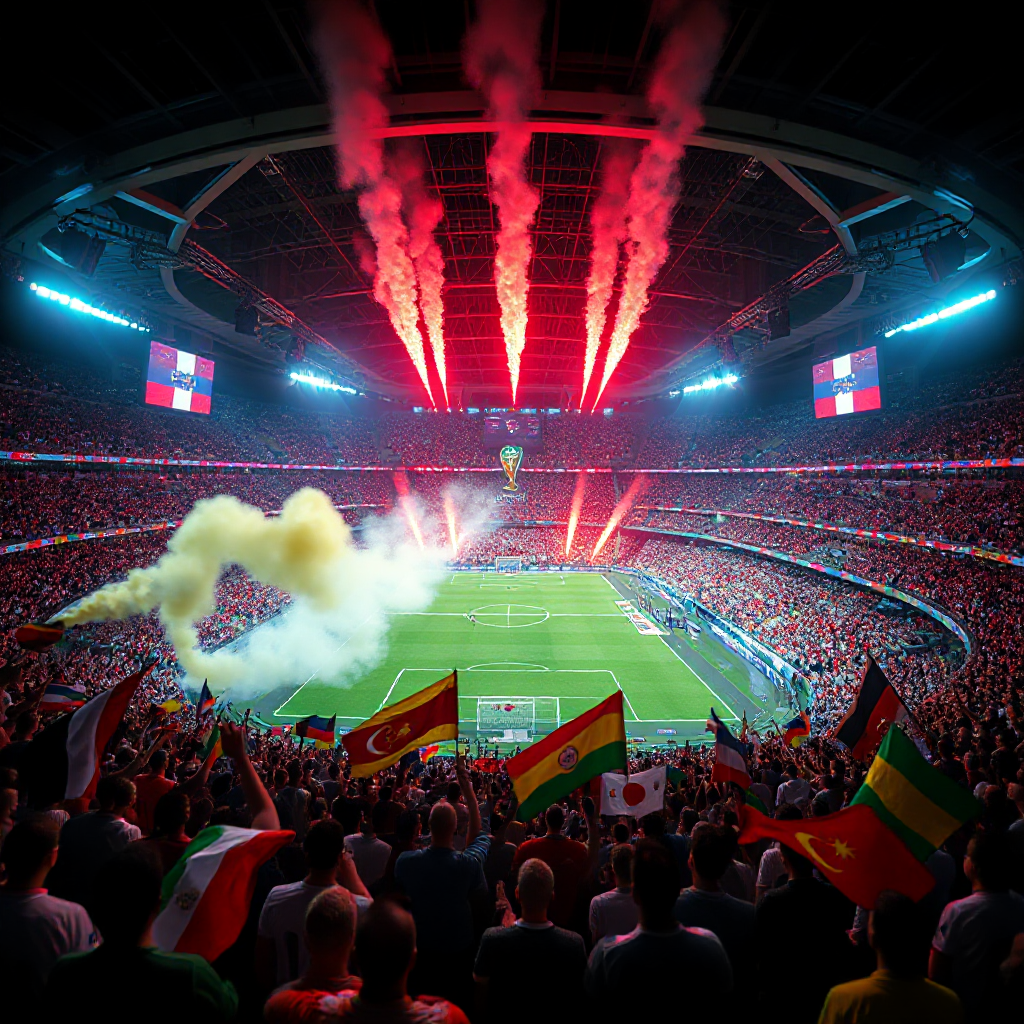
Socolive Thể Thao Cập Nhật Tỷ Lệ Và Bảng Lịch Thi Đấu: Tổng Hợp Thông Tin Chính Xác Cho Người Xem
Trang socolive cung cấp lịch thi đấu bóng đá và các môn thể thao khác được cập nhật theo thời gian thực, kèm theo tỷ lệ kèo biến động và bảng xếp hạng tương ứng. Người dùng có thể theo dõi trực tiếp các trận đấu quan trọng, xem kết quả ngay sau khi còi mãn chung cuộc và phân tích diễn biến dựa trên dữ liệu thống kê mới nhất. Hệ thống hiển thị thông tin theo cấu trúc rõ ràng, giúp người hâm mộ dễ dàng tra cứu khung giờ, đối thủ và tình trạng giải đấu mà không bị nhiễu loạn bởi quảng cáo hay thông tin thừa.
Lịch Thi Đấu Các Giải Cờ Đỏ Sắp Diễn Ra
Việc nắm bắt chính xác lịch thi đấu là nền tảng để người theo dõi sắp xếp thời gian xem trận đấu yêu thích. Dữ liệu lịch đấu được tổ chức theo từng giải VĐQG hàng đầu như Ngoại hạng Anh, Serie A, La Liga, Bundesliga, Ligue 1, cùng các giải đấu khu vực và giải cúp châu Âu. Mỗi khung giờ diễn ra đều được quy chuẩn hóa theo múi giờ địa phương của người dùng, loại bỏ rủi ro nhầm lẫn giờ giấc vốn thường gặp ở các bảng lịch truyền thống.
Bên cạnh các giải VĐQG, hệ thống cũng tập trung cập nhật đầy đủ lịch thi đấu của V.League, K-League, J-League và các giải VĐQG Đông Nam Á. Điều này đáp ứng nhu cầu theo dõi của một lượng lớn khán giả tại Việt Nam và khu vực. Đối với các giải đấu trẻ hoặc giải giao hữu, thông tin lịch trình cũng được đánh dấu rõ ràng để tránh gây hiểu lầm về tính chất sự kiện.
Để nắm bắt chính xác khung giờ diễn ra các trận đấu quốc tế hay nội địa, người hâm mộ thường truy cập vào socolive để nhận thông báo kịp thời khi có thay đổi về giờ giấc hoặc điều kiện sân bãi. Việc này đặc biệt quan trọng đối với những trận đấu có nguy cơ hoãn hoặc dời lịch cao do tác động bên ngoài như thời tiết hoặc lịch di chuyển của đội bóng.
| Giải Đấu | Đối Khẩu | Khung Giờ | Trạng Thái |
|---|---|---|---|
| Premier League | Liverpool vs Manchester City | 20:30 | Sắp diễn ra |
| La Liga | Barcelona vs Real Madrid | 02:00 | Sắp diễn ra |
| V.League 1 | TP.HCM vs HAGL | 19:00 | Sắp diễn ra |
| Champions League | Bayern Munich vs PSG | 01:45 | Sắp diễn ra |
 Hình minh hoạ: socolive
Tổng Hợp Kết Quả Mới Nhất Từ Các Trận Đấu
Kết quả thi đấu được cập nhật ngay lập tức sau khi trọng tài thổi còi mãn chung cuộc. Tốc độ xử lý dữ liệu nhanh chóng giúp người xem không bỏ lỡ tỷ số chính thức, đồng thời giảm thiểu tình trạng soi kết quả chậm từ các nguồn bên thứ ba. Ngoài tỷ số, phần chi tiết kết quả thường bao gồm thông tin về các bàn thắng, cầu thủ ghi bàn, phút ghi bàn, thẻ phạt và các tình huống thay người quan trọng.
Dữ liệu kết quả không chỉ dừng lại ở con số. Người dùng có thể tham khảo các chỉ số phụ như tỷ lệ kiểm soát bóng, số pha sút trúngกรอบ, pha phạt góc và số lần phạm lỗi. Những thống kê này đóng vai trò quan trọng trong việc đánh giá hiệu suất thực tế của hai đội, vượt xa khỏi cái nhìn phiến diện chỉ dựa vào tỷ số chung cuộc. Một đội có thể thắng nhưng kiểm soát bóng kém, hoặc thua cuộc nhưng tạo ra nhiều cơ hội nguy hiểm hơn.
Các trận đấu thuộc vòng loại các giải đấu lớn hoặc trận đấu quyết định danh dự cũng được ưu tiên hiển thị nổi bật. Phần bình chọn tỷ số dự đoán của cộng đồng người dùng thường được cập nhật song song, tạo nên một diễn đàn thảo luận sôi nổi ngay dưới mỗi bảng kết quả. Điều này giúp người xem so sánh nhận định cá nhân với xu hướng chung và rút ra kinh nghiệm cho các lần theo dõi tiếp theo.
Bảng Xếp Hạng Ảnh Hưởng Trực Tiếp Đến Kết Quả
Bảng xếp hạng là thước đo khách quan nhất phản ánh phong độ của các đội bóng trong suốt mùa giải. Việc cập nhật bảng xếp hạng tự động ngay sau mỗi vòng đấu giúp người theo dõi nắm bắt ngay sự thay đổi vị trí, điểm số và khoảng cách điểm số giữa các đội. Thứ hạng không chỉ là con số vô tri mà còn phản ánh áp lực tâm lý, mục tiêu thi đấu và chiến thuật của ban huấn luyện.
Trong phân tích chuyên sâu, bảng xếp hạng được chia thành các nhóm đối tượng cụ thể. Đỉnh bảng đại diện cho các đội đang tranh chấp danh hiệu, nơi mỗi điểm số mất đi đều có thể mang tính bước ngoặt. Khu vực giữa bảng thường là vùng竞争 khốc liệt để lọt vào vòng đấu loại trực tiếp hoặc giành vé dự giải châu Âu. Trong khi đó, khu vực đáy bảng phản ánh cuộc chiến sinh tồn, nơi các đội bóng cần tối đa hóa điểm số để tránh xuống hạng.
Mối tương quan giữa thứ hạng và kết quả trận đấu thường tuân theo quy luật thống kê, nhưng không tuyệt đối. Một đội xếp thấp hơn có thể tận dụng chiến thuật phòng ngự phản công để hạ gục đội dẫn đầu nếu đối thủ chủ quan. Do đó, khi tham khảo bảng xếp hạng, người dùng cần kết hợp với lịch sử đối đầu và tình hình đội hình hiện tại để có cái nhìn toàn diện. Các chỉ số như hiệu số bàn thắng bại và số trận thắng sạch lưới cũng là những yếu tố quyết định khi hai đội ngang điểm nhau.
Nhận Định Phong Độ Và Yếu Tố Quyết Định
Phân tích trước trận đấu đòi hỏi sự tổng hợp từ nhiều nguồn dữ liệu khác nhau. Yếu tố đầu tiên cần xem xét là phong độ gần đây của cả hai đội. Chuỗi trận thắng, hòa hoặc thua liên tiếp thường cho thấy tinh thần và sự ổn định về lối chơi. Tuy nhiên, phong độ có thể bị ảnh hưởng bởi lịch thi đấu dày đặc, đặc biệt là khi các đội phải tham gia nhiều giải đấu cùng lúc.
Tình hình đội hình và chấn thương là yếu tố then chốt. Sự vắng mặt của những trụ cột như tiền đạo chủ lực, tiền vệ kiến thiết hoặc hậu vệ trung tâm có thể làm thay đổi hoàn toàn sức mạnh của một đội. Người theo dõi cần rà soát thông tin đội hình sơ bộ và danh sách chấn thương được công bố trước giờ kick-off ít nhất vài tiếng. Ngoài ra, động lực thi đấu cũng rất quan trọng; các trận derby hoặc trận chạm trán trực tiếp để giành quyền trụ hạng thường tạo ra sức ép lớn hơn so với các trận đấu đã định đoạt ngôi vị.
Trước khi đưa ra bất kỳ dự đoán nào, người dùng cần ý thức rằng thể thao luôn chứa đựng tính ngẫu nhiên. Không có công thức toán học nào đảm bảo kết quả chính xác 100%. Việc phân tích chỉ nhằm mục đích nâng cao khả năng nhận biết xu hướng và quản lý rủi ro. Người hâm mộ nên tham khảo thông tin từ nhiều nguồn uy tín, đối chiếu chéo các dữ liệu và tránh mù quáng tin tưởng vào một nhận định đơn lẻ. Sự tỉnh táo và kiểm soát cảm xúc là chìa khóa để duy trì niềm đam mê bền vững với bộ môn thể thao vua.
Hướng Dẫn Theo Dõi Thông Tin Cập Nhật Liên Tục
Để tối ưu hóa trải nghiệm theo dõi, người dùng nên kết hợp giữa việc xem bảng lịch và sử dụng tính năng phát trực tiếp. Chất lượng hình ảnh và độ trễ của video là hai yếu tố ảnh hưởng lớn đến sự hài lòng. Nguồn phát hình ảnh ổn định giúp người xem không bị mất nhịp khi bàn thắng xảy ra, đặc biệt trong những tình huống chuyển đổi thế trận đột ngột.
Khi muốn trải nghiệm chất lượng hình ảnh mượt mà và không gián đoạn, việc chọn nguồn phát qua socolivetv giúp người dùng tiết kiệm băng thông trong khi vẫn đảm bảo độ trễ thấp nhất so với thực tế. Tính năng này thường tự động chuyển đổi chất lượng tùy thuộc vào đường truyền mạng của thiết bị, đảm bảo video không bị vỡ hình hay buffering. Đồng thời, giao diện xem trực tiếp được thiết kế gọn gàng, cho phép người dùng dễ dàng chuyển đổi sang xem bảng tỷ số hoặc chatroom mà không làm gián đoạn luồng video.
Việc lưu trữ các giải đấu yêu thích vào danh sách theo dõi riêng cũng là một thói quen hữu ích. Hệ thống sẽ gửi thông báo đẩy hoặc hiển thị banner nổi bật khi trận đấu bắt đầu, giúp người dùng không cần phải canh giờ thủ công. Ngoài ra, việc cập nhật phiên bản ứng dụng hoặc trình duyệt mới nhất cũng giúp truy cập ổn định hơn, tránh các lỗi tương thích có thể phát sinh.
Checklist Hành Động Cho Người Theo Dõi
- Kiểm tra lịch thi đấu: Xác định đúng giải đấu, cặp đấu và khung giờ diễn ra trận đấu trước khi vào mạng.
- Xác minh thông tin: Đối chiếu múi giờ và tên đội bóng với nguồn chính thức của hiệp hội để tránh nhầm lẫn.
- Soạn đội hình: Rà soát danh sách chấn thương, treo giò và đội hình dự kiến nếu có sẵn.
- Chuẩn bị đường truyền: Đảm bảo kết nối internet ổn định và chọn nguồn phát video phù hợp với thiết bị.
- Theo dõi kết quả: Cập nhật tỷ số và thống kê trận đấu ngay sau khi kết thúc để phân tích diễn biến.
- Nhật ký cá nhân: Ghi chép lại các nhận định và kết quả thực tế để rút kinh nghiệm cho các lần xem sau.
 Hình minh hoạ: DK 88

 Hình minh hoạ: LC 88


 Hình minh hoạ: 32WIN


 Hình minh hoạ:



 Hình minh hoạ: TG 88


 Hình minh hoạ: https://llwin.online/







 Hình minh hoạ: JW 88



 Hình minh hoạ: 789Club